This is the first blog post I pulled out of a LinkedIn post, I think, but I think it works.
I’ve received more hostility than I expected for being excited to experiment with LLM tools. I’m still working through some of that. Bear with me while I try to articulate why.
To me, LLMs feel much closer to procedural generation than some entirely new category of creativity. They’re another tool for exploring an enormous possibility space—more akin to the technology behind games like No Man’s Sky than the mystical “Gen AI” label they’ve been given.
What I’ve struggled with most isn’t the criticism itself… It’s where the line is being drawn.
If the standard is that we should reject technologies because the companies behind them have acted unethically, harmed creators, or negatively impacted society or the environment, then why stop with LLM companies?
The history of comic book publishers, book publishers, media companies, and IP holders is filled with stories of creators who were underpaid, exploited, or denied ownership of their work. The Industrial Revolution was built on harsh labor practices. The railroads of the American West, the robber barons of the nineteenth century, and the great trading companies of the seventeenth century all left complicated—and often deeply troubling—legacies. I have gone to the Sacramento Railroad Museum and watched people sobbing about ancestors or kin in the exhibit where they show the history of foreign laborers working themselves to death building the railroad.
If our standard is “never use technology created by organizations that have acted unethically,” then the logical conclusion is difficult to escape. Modern computing, smartphones, social media, cloud infrastructure, consumer electronics, automobiles, aviation, publishing, pharmaceuticals, and much of the Internet all become morally suspect.
Is the expectation that we should reject every technology whose origins or creators have imperfect ethical histories? Or is the expectation that we continue pushing industries toward better practices while evaluating technologies on the value they create today, the harms they cause today, and the direction they’re moving?
The reason I ask isn’t to excuse unethical behavior. It’s because I don’t think LLMs deserve to be treated as though they occupy some uniquely immoral category of technology.
If we’re going to have a conversation about ethics, I think we owe it to ourselves to apply those standards consistently.
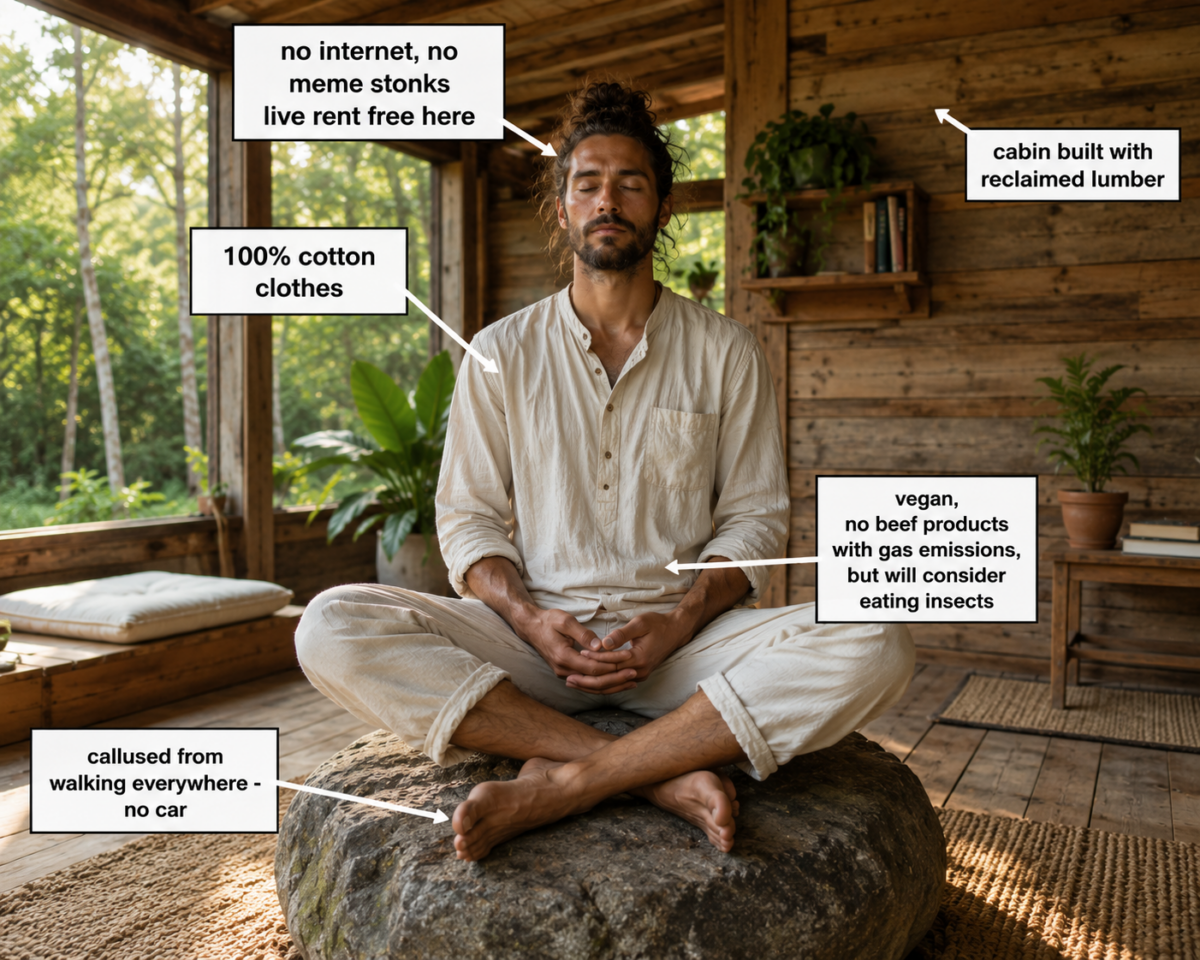
If you disagree, the attached checklist in this photo outlines the minimum requirements for claiming the moral high ground.
Thank you for coming to my TED Talk. Please remember to recycle this opinion responsibly.
